Unfortunately, underdog Norwegian side Bodo/Glimt have been knocked out of the Champions League by Portuguese side Sporting. For a week, Glimt looked to be cruising into the quarterfinals of the UCL, but after a second leg collapse – where they lost 5-0 – Glimt are now out of the European competition. (See previous article)

Everyone enjoys a good underdog story, so it is a little disappointing to see their run end. Glimt’s campaign was memorable, but let’s shift our attention beyond football; Norway’s athletics have quietly been on the rise – think of their most recent winter Olympic campaign – the Scandinavian nation seems to have a secret sauce, here’s their recipe:
“Idrett for alle” – Sport for all

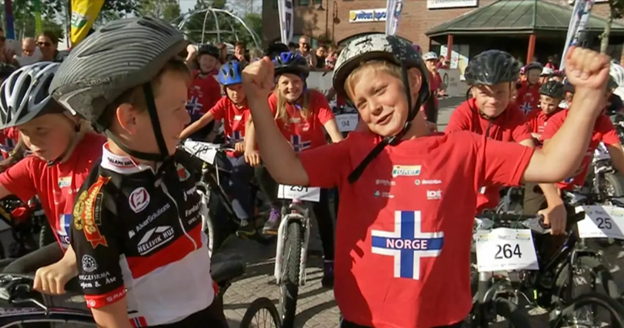
Norway’s entire approach to its sporting model is to get as many kids playing sports as possible, and to keep them playing for as long as possible. The model focuses on participation and enjoyment before winning, and in doing so, kids end up sticking around.
In 2025, 93% of children participated in organized sports.
Between the ages of 5 and 13, there is virtually no focus on performance; there are no standings, stats, or scorekeeping – pure development and enjoyment. Introduction to competition begins between 13 and 15, when scores, standings, and statistics are tracked; that said, the focus remains on development, and equal playing time is a priority. At the age of 16 onward, athletes focus on one sport – not multiple – and performance and results come to the forefront.
The idea is twofold: to allow kids to enjoy playing sports for as long as possible, and, in doing so, to produce a broad base of elite athletes.
How Norway funds its model
Norway’s athletic structure is managed by the Department of Sport Policy (NIF). The NIF oversees all athletics, managing community and elite sporting setups. Each year, Norway takes 64% of the money it makes from the national lottery and sports betting and gives it to the DSP for the committee to allocate accordingly, injecting it back into their grassroots programs. This allocation amounts to roughly 400 million (USD) dollars per year. This strategy funds communities and equips them with quality equipment and facilities, making youth sports feasible for low-income households.

Norway does fund its elite athletes, but it is not its primary focus – the focus is on youth sport.
Unlike many countries – such as the US and Canada – Norway’s sporting system isn’t focused on making money; it’s about making athletics accessible for all and allowing youth to play and grow. It’s not about applying pressure and pushing kids harder; it’s about keeping as many kids as possible in sports for as long as possible.